Adelaide Road bulky waste collection Swiss Cottage tips
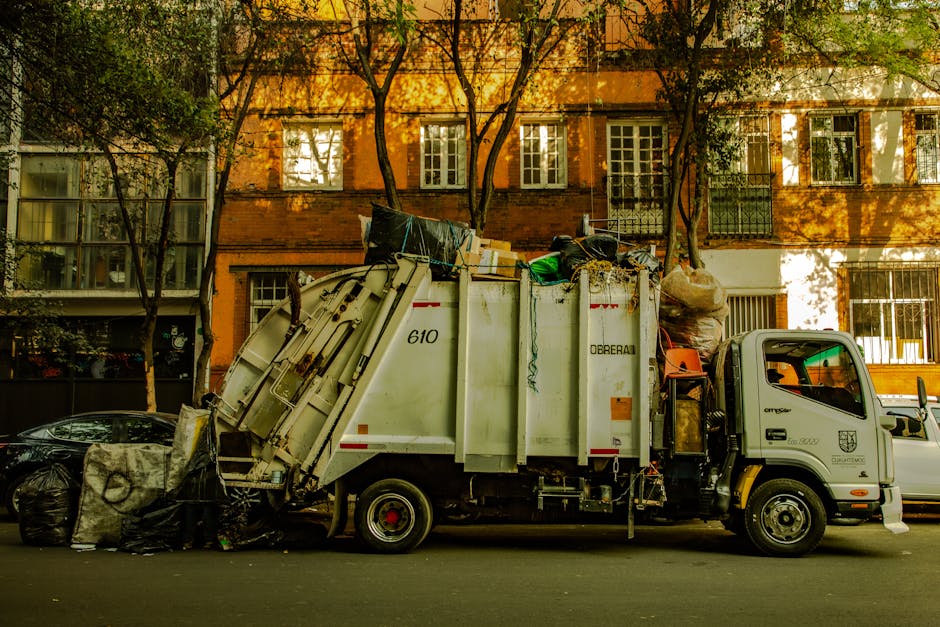
If you live on or near Adelaide Road in Swiss Cottage, bulky waste has a habit of building up fast. A broken wardrobe leans in the hallway, a sagging sofa blocks a tight landing, or old office furniture sits in the corner waiting for a decision you keep putting off. That is exactly where Adelaide Road bulky waste collection Swiss Cottage tips become useful: not just for clearing space, but for doing it calmly, safely, and without creating extra hassle for yourself or your neighbours.
In this guide, you will find practical steps for planning a bulky item collection, avoiding common mistakes, and choosing the right approach for flats, terraces, basements, or busy residential streets. It is written for real life, not ideal conditions. Because let's face it, bulky waste is rarely sitting neatly by the front door with a tidy label on it.
Why Adelaide Road bulky waste collection Swiss Cottage tips Matters
Bulky waste is different from regular household rubbish. It is awkward, heavy, often sharp-edged, and sometimes a bit embarrassing to ignore for too long. On a street like Adelaide Road, where access can be tight and parking can be limited, a poor plan quickly becomes a bigger problem than the waste itself.
Good planning matters for three reasons. First, it protects people. A mattress dragged down narrow stairs or a chest of drawers carried out in a hurry can easily cause trips, back strain, or damage to walls and bannisters. Second, it protects the building. Communal entrances, lifts, and shared pavements can be scratched or blocked if items are not moved carefully. Third, it helps you avoid delay. The more organised you are, the faster the collection tends to go, whether you are clearing one item or a whole room.
There is also a local practical angle. Swiss Cottage properties often sit somewhere between older conversions, mansion blocks, and compact flats. That mix changes the job. A simple collection on paper may need more thought in reality. Where will the item be carried from? Can a van stop close enough? Is there lift access? Do neighbours need a heads-up? Those are the questions that separate a smooth collection from a stressful one.
Key point: bulky waste collection works best when you treat it like a small logistics task, not a last-minute lift-and-go job.
How Adelaide Road bulky waste collection Swiss Cottage tips Works
At a basic level, bulky waste collection means removing items too large for standard bins or routine household waste services. That could include sofas, wardrobes, tables, mattresses, white goods, shelving, garden furniture, or office equipment. In practice, the process is usually simpler than people expect, but only if the access, timing, and item list are clear.
Most collections follow a similar pattern. You identify what needs to go, decide whether it can be broken down safely, check where it is located, and arrange a removal method that suits the property. If an item is upstairs, in a loft, or tucked into a basement, that detail matters. It can change the number of people needed, the time required, and the safest route out of the building.
On Adelaide Road, the practical challenge is often the journey from inside the property to the vehicle. A bulky item might fit through the front door in theory, but the turn in a hallway, the width of the stairwell, or the timing of traffic outside can make things slower. That is why good bulky waste planning starts before anyone lifts anything. It sounds obvious, but it gets skipped all the time.
If the items include furniture in good condition, it may also be worth separating what can be reused from what needs disposal. For example, a worn-out sofa may be a disposal item, while a serviceable desk or chair could be handled differently. If you are dealing with household furniture, you may also want to look at furniture clearance or furniture disposal options depending on condition and volume.
Key Benefits and Practical Advantages
The biggest benefit is obvious: you get your space back. But the real value is in how the clearance improves daily life. A hallway that was blocked by an old sideboard starts feeling usable again. A spare room can become a room, not a storage cupboard with a radiator. Even a small flat feels calmer when the clutter is gone.
There is also a safety advantage. Bulky waste often collects in awkward places because it is inconvenient, not because it is harmless. The longer it sits there, the more likely someone will bump into it, trip over it, or try to move it alone. In our experience, people usually underestimate how much stress a single bulky item can create until it is finally gone. Then the relief is immediate. Really immediate.
Other practical advantages include:
- Better access: hallways, staircases, and storage spaces become easier to move through.
- Cleaner presentation: useful if you are preparing a property for sale, letting, or renovation.
- Less disruption: an organised collection is usually faster and tidier than ad hoc DIY hauling.
- Fewer injuries: heavy lifting is handled more safely when planned properly.
- More control: you can decide what stays, what is reused, and what is removed.
For landlords, agents, businesses, and homeowners alike, that sense of control is a big deal. It turns a messy task into a manageable one.
Who This Is For and When It Makes Sense
This kind of bulky waste collection is relevant to all sorts of people around Swiss Cottage. Not just one type of household. You might need it if you are moving out of a flat, replacing old furniture, clearing a loft, or dealing with the aftermath of a renovation. You may also need it if a tenant has left behind items that simply cannot be ignored any longer.
It makes sense in situations such as:
- you have one or more large items that will not fit into normal bins;
- the items are too heavy or awkward for safe DIY lifting;
- you live in a flat with stairs, shared access, or limited storage space;
- you are preparing for decorating, letting, or a move;
- you need a quicker, cleaner solution than doing multiple tip runs yourself;
- you want to clear a room without dragging the job out for days.
It is also useful for businesses. Offices on and around Adelaide Road may need old desks, chairs, filing cabinets, or miscellaneous broken equipment removed with minimal disruption. If that sounds familiar, a broader office clearance approach can be more practical than dealing with each item separately.
Truth be told, the job often looks "small" right up until you start moving it. Then it becomes clear why people call for help. No shame in that at all.
Step-by-Step Guidance
If you want the collection to go smoothly, follow a simple process. It saves time, avoids confusion, and helps everyone involved know what to expect.
- List every item clearly. Write down what is going, including sizes if possible. A sofa bed is not the same as a two-seater chair, and a wardrobe is not the same as a bedside cabinet.
- Check access routes. Note stairs, narrow hallways, locked entrances, lift access, and any parking restrictions outside.
- Separate recyclable or reusable items. If something can be reused safely, keep it apart from damaged waste. This helps with sorting later and can reduce unnecessary disposal.
- Measure awkward items. If an item is especially large, measure height, width, and depth. That one minute of measuring can prevent a lot of sighing later.
- Prepare the space. Move smaller objects out of the way, clear the route, and make sure doors can open fully.
- Choose the right service type. A single sofa, a room full of furniture, or post-renovation waste all need slightly different handling.
- Confirm timing and arrival details. Collections work better when everyone knows whether the item is in the front room, back garden, loft, or basement.
- Final walk-through. Before the team leaves, check that nothing important has been overlooked. People do forget that one odd chair in the corner. It happens.
If the items are mixed with renovation debris, plasterboard, timber offcuts, or packaging, you may be looking at builders waste clearance rather than a simple household pick-up. Matching the method to the waste makes the whole process much easier.
Expert Tips for Better Results
Small decisions make a big difference with bulky waste. The more thought you give the setup, the less likely you are to deal with delays or damage.
Tip 1: Don't hide the tricky details. If the item is on the third floor, in a loft, or wedged into a tight storage cupboard, say so early. Understating access only creates pressure on the day.
Tip 2: Keep a clear path for lifting. Shoes, plant pots, mop buckets, and random boxes all become trip hazards in a hurry. Clear the route before anyone starts moving items.
Tip 3: Think about the neighbours. In a shared block, a short heads-up can be a kindness. Nobody likes having a stairwell blocked at school run time or early on a Monday morning. Sensible timing matters.
Tip 4: Break down what can be safely dismantled. Flat-pack furniture, bed frames, or shelving units may be easier to handle in pieces. Only do this if it is safe and sensible to do so.
Tip 5: Check whether anything can be reused. Good items should not be thrown away automatically. A chair with life left in it, a usable desk, or a serviceable cabinet can often be separated from waste.
Tip 6: Book before urgency kicks in. Once you are rushing, mistakes creep in. A bit of planning usually saves both time and money.
A small human note here: I have seen people spend half a day trying to move one heavy bookcase through a staircase that clearly won that battle years ago. It is not worth the wrestle.
Common Mistakes to Avoid
Most bulky waste problems are avoidable. The usual mistakes are surprisingly ordinary, which is exactly why they keep happening.
- Leaving everything until the last minute. This tends to create panic, rushed lifting, and poor decisions.
- Guessing the size of items. "It'll fit" is not a plan. Measure it.
- Forgetting access details. A narrow stairwell or no-parking zone can slow everything down.
- Mixing different waste types. Household items, renovation debris, and office equipment can each need different handling.
- Trying to move dangerous items alone. Glass, metal frames, and very heavy furniture deserve care.
- Ignoring shared-property rules. In flats and managed buildings, access and timing may matter more than people expect.
One of the biggest mistakes is assuming bulky waste is just "someone else's problem" until collection day. That line of thinking usually leads to a frantic shuffle at the front door with everyone getting in each other's way. Not ideal.
Tools, Resources and Recommendations
You do not need specialist equipment for every collection, but a few simple tools help more than people think. A tape measure is obvious. So is strong tape, marker pens, sturdy gloves, and a trolley if items are being moved a short distance inside the property.
For larger clearances, practical preparation can include:
- gloves for handling rough edges or dusty surfaces;
- measuring tape for doors, stair turns, and item dimensions;
- bags or boxes for loose screws, fittings, and removable parts;
- blankets or card to protect floors and walls;
- labels or notes for items you are keeping separate;
- a phone camera, if you want to record what is being removed before and after.
For property owners with larger clearances, the following services may also be useful depending on what is being removed: house clearance, home clearance, loft clearance, garage clearance, or flat clearance. Choosing the right category saves you from overcomplicating the job.
If you want to understand how pricing is usually approached, a useful next step is to review pricing and quotes. That helps set expectations before you commit to a collection. And if you care about what happens to the waste afterwards, take a look at recycling and sustainability for a clearer picture of responsible disposal practice.
Law, Compliance, Standards, or Best Practice
For bulky waste collection in the UK, the main thing to remember is simple: waste should be handled responsibly, with care for safety, sorting, and lawful disposal. You do not need to become an expert in waste legislation to make good decisions, but you should expect any professional service to operate properly, keep things safe, and avoid fly-tipping or careless handling.
From a practical best-practice point of view, a good collection should include:
- clear identification of what is being removed;
- safe lifting and movement procedures;
- appropriate separation of reusable, recyclable, and general waste items where possible;
- careful treatment of the property and communal areas;
- transparent communication about what will happen on the day.
If you are arranging clearance from a rented flat, managed building, or commercial space, it is wise to check your building rules before the collection. Some properties have access windows, loading restrictions, or noise considerations. That is not red tape for the sake of it; it is usually there because someone learned the hard way.
If safety and accountability matter to you, it can also help to review a provider's health and safety policy and insurance and safety information. Those pages tell you a lot about how seriously a business treats the work. Likewise, the company's terms and conditions and about us page can help you judge whether the service looks reliable and straightforward.
For businesses in particular, compliance and documentation matter even more. A commercial clearance should be arranged with a provider that understands business waste handling and keeps the process tidy from start to finish.
Options, Methods, or Comparison Table
There is more than one way to deal with bulky waste on Adelaide Road. The right choice depends on volume, access, urgency, and how much lifting you want to do yourself. Here is a simple comparison to help you think it through.
| Method | Best for | Pros | Trade-offs |
|---|---|---|---|
| DIY removal | Very small items, easy access, light loads | Flexible timing, direct control | Heavy lifting, transport hassle, time-consuming |
| Professional bulky waste collection | Furniture, mixed bulky items, awkward access | Faster, safer, less stress | Needs planning and a clear item list |
| Room or property clearance | Flats, lofts, garages, full-house jobs | Handles volume well, good for bigger projects | More detailed preparation needed |
| Specialist waste clearance | Builders waste, office equipment, mixed materials | Better match for specific waste types | Requires correct classification up front |
If your bulky waste is part of a wider tidy-up, you might want to pair it with waste removal more generally, rather than treating every item as a one-off task. That can be especially useful when the job is messy, mixed, or changing as you sort through it.
Case Study or Real-World Example
Here is a realistic example. A resident in a Swiss Cottage flat on Adelaide Road had an old sofa, a dismantled bed frame, two wardrobes, and several bags of mixed clutter from a spare room. The access looked simple at first glance, but the staircase had a tight turn and the building entrance was shared. The resident had also left the booking until just before a planned redecorating weekend.
The first step was to list every item and separate what could be dismantled. The wardrobes were taken apart, screws were bagged, and the route to the front door was cleared of shoes, umbrellas, and loose boxes. A quick check of measurements showed that one large panel needed extra care around the stair turn. That one detail avoided a delay later.
What made the process go smoothly was not luck. It was preparation. There was enough room to work, the access was clear, and the items were described accurately. The resident also knew which pieces were going and which were staying, which sounds basic but honestly saves a lot of confusion. By the end, the flat was ready for decorating and felt twice as spacious.
The interesting part? The resident said the biggest relief was not the empty room itself, but the fact that they no longer had to keep thinking about the job. That mental lift matters too.
Practical Checklist
Use this checklist before any bulky waste collection on or near Adelaide Road. It keeps the process simple.
- Have you listed every bulky item clearly?
- Have you measured oversized pieces?
- Is the access route clear from the room to the exit?
- Are communal areas, lifts, or stairwells likely to be affected?
- Have you separated reusable items from waste?
- Do you know whether the load includes furniture, builders waste, or mixed materials?
- Have you checked for loose screws, glass, or sharp edges?
- Are doors, gates, and parking arrangements sorted?
- Have you reviewed timing so the collection fits your day?
- Do you know what happens to the waste after collection?
If you can tick most of those off, you are already ahead of the game. And if you cannot, that is fine too. Just deal with the missing bits before the collection day arrives.
Get a free quote today and see how much you can save.
Conclusion
Adelaide Road bulky waste collection Swiss Cottage tips are really about reducing friction. Less lifting. Less guessing. Less mess. When you plan the job properly, bulky waste stops feeling like a looming chore and becomes just another task that gets done.
Start with the basics: know what is being removed, understand the access, and choose the most suitable service for the type and size of waste. Whether you are clearing a single item or a whole property, the right preparation makes the difference between a rushed job and a smooth one. A little care at the start saves a lot of stress later, and that is usually the whole story.
By the time the last item is gone and the space looks open again, you will probably wonder why you waited so long. That feeling is worth it.
Frequently Asked Questions
What counts as bulky waste on Adelaide Road in Swiss Cottage?
Bulky waste usually means items too large or awkward for standard bin collection, such as sofas, tables, wardrobes, mattresses, and similar large household or office items.
How do I prepare for a bulky waste collection in a flat?
Clear the route, measure any large items, check stair access or lift use, and make sure shared spaces are not blocked. A few minutes of prep really helps.
Can I put broken furniture out for normal rubbish collection?
Usually no, not if it is too large or heavy. Bulky furniture is better handled through a proper collection method rather than left to chance.
Is it worth dismantling furniture before collection?
Sometimes yes, especially if it safely makes the item easier to move. But do not dismantle anything unstable or dangerous just to save time.
What if my bulky waste includes builders debris as well as furniture?
That is worth flagging early, because mixed waste may need a different approach. In some cases, builders waste clearance is more appropriate than a standard furniture pick-up.
How can I avoid damage to my walls or stairwell?
Use a clear route, protect floors if needed, and do not rush large items around tight turns. Padding corners and keeping doorways clear can make a big difference.
What is the best option for clearing several bulky items at once?
If you have more than one item, a broader clearance approach is often more efficient than dealing with each object separately. It usually saves time and reduces repeat disruption.
Should I choose clearance based on item condition?
Yes. If something is still usable, it may be better handled differently from damaged or unsafe waste. Good sorting at the start makes the rest easier.
How do I know if a collection service is safe and trustworthy?
Look for clear service information, sensible process details, and visible safety guidance. Pages such as health and safety policy and insurance and safety can be useful trust signals.
Can bulky waste collection help with a full flat clearance?
Yes, especially if several rooms need sorting. In that case, a flat clearance or related service may fit better than a one-item collection.
What should I do if I want to compare costs first?
Review pricing and quotes so you understand how the service is structured before booking. That makes the decision much easier.
Is recycling part of bulky waste disposal?
It should be wherever possible. Responsible services aim to sort items sensibly, which is why recycling and sustainability matters when you are choosing how to dispose of bulky waste.
What is the simplest next step if I am ready to clear my items?
Make your item list, check access, and get in touch with a trusted provider through the relevant contact route. If the job is still half-organised, that is fine. Start there, and the rest usually falls into place.