Regents Park area garden rubbish removal Swiss Cottage
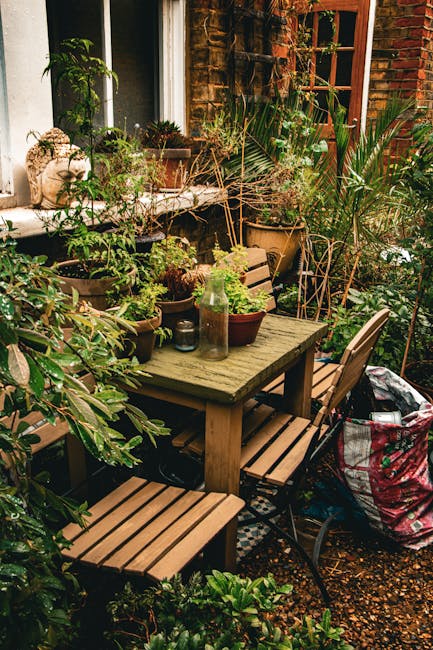
If your garden has started to look more like a holding area for hedge trimmings, broken planters, old fencing, and bags of soil, you are not alone. Regents Park area garden rubbish removal Swiss Cottage is the kind of service people search for when a tidy-up has turned into a proper clearance job. Maybe you have just finished a weekend of pruning, or maybe the job has been building up for months. Either way, the problem is the same: it is bulky, awkward, and rarely as simple as "just take it to the tip".
This guide explains what the service involves, how it works in practice, what to expect on the day, and how to choose the right approach for your space. It is written for real homes, real schedules, and real gardens - the kind with narrow side access, mixed waste, and not enough time to do it twice.
Why Regents Park area garden rubbish removal Swiss Cottage Matters
Garden waste sounds harmless until you see how quickly it piles up. One pruning session can produce far more material than a domestic bin can realistically handle. Branches spring into awkward shapes, ivy tangles itself around everything, and damp green waste starts to smell a bit earthy and a bit unpleasant if it sits too long. Not dramatic, just messy. And messy has a way of becoming stressful when access is tight or the weather turns wet.
In the Regents Park and Swiss Cottage area, garden clearances often need to be handled with a bit of care because properties vary so much. Some have compact courtyards, some have communal access, and some have beautifully planted spaces where you do not want a clearance job trampling over beds, paving, or lawn edges. The right removal approach keeps things tidy and reduces the risk of damage. That matters if you are trying to protect the look and value of the space, not just empty it.
There is also a practical side that people sometimes overlook. Piles of waste can attract pests, block pathways, make mowing harder, and become a safety issue. A quick clearance can restore order fast. It can also make the next phase of gardening easier, whether that means new turf, seasonal planting, or simply being able to walk through the space without stepping over a bag of cuttings. Let's face it, nobody wants to squeeze past a stack of soggy branches every time they water the roses.
Key point: garden rubbish removal is not just about disposal; it is about restoring usability, reducing clutter, and keeping the space ready for whatever comes next.
How Regents Park area garden rubbish removal Swiss Cottage Works
Most garden rubbish removal jobs follow a straightforward pattern, but the details matter. A proper service normally begins with an assessment of the waste type and volume. That might be done from photos, a description, or an on-site visit depending on the situation. A small pile of hedge trimmings is very different from a full clearance with soil, timber, fencing, and old pots mixed together.
Once the scope is clear, the collection is arranged at a suitable time. On the day, the team usually loads waste directly from the garden, side passage, driveway, or front access point if available. Good handling is important here. A tidy process means less mess left behind and less unnecessary walking through the property. If the garden contains heavy items or awkward materials, they are carried out safely rather than dragged across paving. Small thing, but it makes a real difference.
After collection, the waste is sorted for the appropriate disposal route. Green waste, wood, metal, soil, and mixed rubbish often need different handling. This is where experience matters because not all garden debris is the same. A branch pile, for example, is simple compared with a load that includes broken sheds, old trellis, bags of rubble, and plastic edging. The aim is to remove everything efficiently without turning the whole exercise into a second project.
For people who want to understand the wider service picture, it can help to look at the broader garden clearance option as well, especially if the job has grown beyond a basic tidy-up.
Key Benefits and Practical Advantages
The clearest benefit is obvious: you get your space back. But the real value goes beyond that. A clean, cleared garden is easier to use, easier to maintain, and much more pleasant to look at from the kitchen window on a grey London morning. There is a mental lift to it too. People underestimate that. A clutter-free outside space often makes the whole property feel calmer.
Another advantage is speed. If you try to deal with everything yourself, you may end up making multiple trips, sorting waste into piles, finding somewhere to park, and lifting awkward bags more than once. That is a lot of time for one task. A well-organised clearance can compress all of that into a much shorter window, which is handy if you are juggling work, family, or a renovation schedule.
It can also be safer. Branches with sharp ends, broken pots, rusty metal, and hidden nails are all common in garden waste. Wet leaves on hard surfaces are slippery. Heavy bags of soil are no joke either. Removing waste properly reduces the chance of trips and strains. Truth be told, a garden tidy-up can become a mini gym session if you are not careful.
And then there is presentation. If you are preparing a property for sale, letting, a family event, or a new landscaping project, a cleared garden makes everything else look better. It is one of those small improvements that changes how a space feels immediately. Very immediately.
Who This Is For and When It Makes Sense
This kind of service suits a wide range of people. Homeowners use it after seasonal pruning or a major reset. Landlords and managing agents use it when outdoor areas have been neglected between tenancies. Gardeners and landscapers often need extra collection support after a day of cutting back overgrowth. And yes, busy residents who simply do not want to spend their Saturday wrestling with branches also count.
It makes sense when the waste is too bulky, too mixed, or too much for the normal household routine. If you have a few plant cuttings, a council collection may be enough. If you have an entire hedge, heavy logs, old sleepers, and a half-dismantled shed, that is a different conversation entirely. In that case, a specialist removal service is usually the more practical route.
You may also need it after a weather event. Wind can scatter light garden debris everywhere. Rain can turn piles of soil into heavy, sticky loads. A sudden frost can make some materials harder to move. That is where having a responsive clearance option is useful, especially in urban settings where space is limited and mess spreads fast.
If your project involves multiple types of waste beyond the garden, you might also find it useful to explore waste removal options for broader clear-outs.
Step-by-Step Guidance
Here is the simplest way to think about the process, from first look to final sweep. It is not complicated, but doing it in the right order saves time and awkwardness.
- Identify what needs removing. Separate green waste, timber, soil, broken items, and anything potentially hazardous.
- Check access. Measure narrow paths, note gates, and look for steps, overhangs, or anything that might slow loading.
- Take quick photos. This helps estimate the volume and avoids surprises later. A few good pictures usually tell the story.
- Request a quote. Be clear about what is included. If you want the area swept or the waste sorted, say so upfront.
- Prepare the space. Move delicate pots, ornaments, and tools out of the way before collection day.
- Guide the team if needed. Show what is going and what must stay. A ten-second conversation can prevent a headache.
- Check the finish. Make sure the obvious waste is gone and the area is left in a usable condition.
That last step matters more than people think. A good clearance should not end with you finding a hidden pile behind the shed an hour later. Been there, unfortunately, and it is never a fun surprise.
Expert Tips for Better Results
Start by separating green waste from mixed rubbish where you can. It does not have to be perfect, but a little sorting helps the job move faster and often makes the process cleaner. Dry materials are usually easier to handle than wet ones, so if you can schedule a collection after a clear day rather than after a downpour, do that.
Take care with soil and rubble. They are much heavier than they look. A few bags of earth can become a significant load very quickly, and that affects collection planning. If you are digging out borders or removing old sleepers, be honest about how much material there really is. People often underestimate this part. Almost everyone does it once.
Protect paths and entrances if your garden includes paving or polished surfaces. A bit of cardboard or temporary covering can prevent scuffs if the waste has to be carried over a sensitive area. Also, keep pets and children away while loading is in progress. That sounds obvious, but the day can get busy and small distractions happen.
If you are planning new planting or landscaping, ask for clearance before the next stage begins. It sounds tidy, and it is. No point putting fresh soil in place while old root balls and broken fencing are still lurking underneath.
Finally, choose a service that understands mixed garden waste, not just plain green cuttings. That single detail often separates a smooth experience from a frustrating one.
Common Mistakes to Avoid
The most common mistake is leaving everything until the last minute. A garden that has sat untouched for weeks usually takes longer to clear than expected. The volume multiplies in your head, and then in reality it is worse. A bit annoying, but common.
Another mistake is mixing all waste together without thinking about what it contains. If there are sharp objects, old treated timber, or construction leftovers in the pile, the job may need more careful handling than a simple green waste collection. Hidden screws in a bag of branches are the sort of thing nobody enjoys finding with their hands.
People also forget to check access. This matters a lot in Regent's Park and Swiss Cottage properties where side entrances, basement steps, or shared walkways may change how the removal is done. If a team cannot reach the waste easily, the job becomes slower and more disruptive. Better to flag it early.
Another error is assuming all garden waste is the same. It is not. Hedge trimmings, compost, logs, soil, and dismantled fencing all behave differently. The best results come from a service that can adapt, not just haul bags blindly.
And a small but important one: do not pack waste so tightly that it becomes impossible to handle safely. Overfilled bags split. We all know the look. It is never a good look.
Tools, Resources and Recommendations
You do not need a garage full of equipment to organise a garden clearance well, but a few sensible tools help. Heavy-duty bags, gloves, pruning shears, tarpaulins, and a wheelbarrow are useful if you are doing any prep yourself. A simple measuring tape helps when checking access or estimating bulky items. If you are sorting waste before collection, labels or colour-coded piles can save time.
For property owners managing recurring outdoor maintenance, a basic seasonal routine works better than one huge annual clear-out. Spring and autumn are usually the obvious points to review. After winter, wet leaves and damaged branches can build up fast. By late summer, growth often has its own ideas. Gardens are cheeky like that.
If your outside space is tied to a property move, a refurbishment, or a wider declutter, you may want to combine the work with home clearance or house clearance where appropriate. That can be more efficient than arranging several separate collections.
For service planning, it is also sensible to review pricing and quotes carefully so you understand what is included before booking. And if recycling matters to you, which it probably should, take a look at recycling and sustainability so you know how mixed materials are typically handled.
Law, Compliance, Standards, or Best Practice
Garden rubbish removal in the UK sits within wider waste-handling expectations, so it is sensible to use a provider that understands safe, responsible disposal. You do not need a lecture on legislation, but you do need confidence that waste is being handled properly, not quietly dumped somewhere it should not be. That part matters, both ethically and practically.
Best practice usually means waste is sorted where possible, carried safely, and sent to appropriate facilities. Certain materials need extra care, especially anything contaminated, sharp, or mixed with non-garden items. If a clearance includes items such as treated timber, soil, or broken fixtures, responsible handling becomes even more important. The rule of thumb is simple: if you would not want it left in a skip and forgotten, it probably deserves proper sorting.
Health and safety also deserves a mention. Heavy lifting, blocked access, wet surfaces, and sharp debris all create manageable but real risks. A decent service should work with care and use sensible methods, not just speed. If you want to know more about the standards behind that approach, the site's health and safety policy and insurance and safety information are useful references. You may never need to think about them again, which is exactly the point.
Options, Methods, or Comparison Table
There is more than one way to clear garden waste, and the right choice depends on volume, access, time, and how tidy you want the process to be. Here is a simple comparison.
| Method | Best for | Pros | Trade-offs |
|---|---|---|---|
| DIY bagging and disposal | Very small amounts of light green waste | Low upfront cost, flexible timing | Time-consuming, lifting heavy bags, multiple trips |
| Skip hire | Larger volumes with a longer clean-up period | Handy if waste is generated over several days | Needs space, loading effort, can be wasteful for mixed small jobs |
| Professional garden rubbish removal | Mixed waste, bulky cuttings, awkward access, quick turnaround | Fast, practical, less physical strain, often neater | Depends on quote and access, may need better scheduling |
For a compact garden with a few sacks of leaves, DIY may be enough. For a full border clear-out, hedge reduction, and old timber to remove at the same time, professional collection often becomes the most sensible option. Not glamorous, but sensible wins.
Case Study or Real-World Example
Imagine a small courtyard garden off a residential street near Swiss Cottage. The owner has spent a month trimming back climbers, pulling weeds, and dismantling an old planter bed. By the time the work is finished, there are bags of green waste, a broken trellis, roots, some old soil, and a few miscellaneous items that somehow appeared during the process. Classic.
At first glance, it looks manageable. But once the bags are stacked, the owner realises the path is narrow, the bins are full, and the waste is too mixed for an easy council-style solution. A local garden clearance service is brought in, access is checked, and the waste is removed in one visit. The garden is left clear enough for fresh planting the following weekend. The whole thing changes from a frustrating pile-up into a neat reset.
That is usually how these jobs go. The hardest part is not the actual loading. It is the point where you realise the pile is bigger than the plan. Once that part is acknowledged, the rest becomes much easier.
Practical Checklist
Use this quick checklist before booking or starting your garden rubbish removal:
- Confirm what is being removed: green waste, timber, soil, fencing, mixed rubbish, or all of the above.
- Check access points, gate width, steps, and parking constraints.
- Separate hazardous or sharp items from general garden debris.
- Take a few photos for an accurate quote.
- Decide whether you need sweeping or a full tidy-up after loading.
- Protect paving, ornaments, and fragile pots.
- Make sure pets and children are kept clear during the collection.
- Ask how mixed waste and recyclable materials are typically handled.
- Read the service details, including terms and conditions and payment and security, before confirming the booking.
- Prepare the area so the team can work without unnecessary delays.
A little preparation goes a long way. Honestly, it is one of those jobs where ten minutes of organising saves an hour of faffing around later.
Conclusion
Regents Park area garden rubbish removal Swiss Cottage is ultimately about making outdoor spaces usable again. Whether you are dealing with hedge trimmings, old fencing, soil, or a full mixed clearance, the right approach saves time, reduces stress, and helps protect the condition of your property. It also keeps the process more controlled, which matters when access is tight or the waste is awkward.
If you are comparing options, start with what needs removing, how quickly it needs to happen, and how much effort you want to put in yourself. From there, the right decision tends to become obvious. And if not, that is fine too. Garden jobs have a way of being less simple than they look from the kitchen window.
Get a free quote today and see how much you can save.
When the clutter is gone and the soil is level again, the whole garden breathes a bit easier. So do you.
Frequently Asked Questions
What counts as garden rubbish in the Regents Park area?
Garden rubbish usually includes grass cuttings, hedge trimmings, branches, weeds, leaves, soil, old plant pots, broken fencing, timber, and general outdoor debris. If something has come from the garden and is too bulky or mixed for normal bin collection, it usually belongs in a clearance job.
Can garden waste be mixed with other household rubbish?
It can be, but it is better to separate it where possible. Mixed loads are still common, especially after bigger garden projects, but sorting helps with handling and disposal. If there are sharp objects, treated timber, or building leftovers in the pile, mention that early.
How much does garden rubbish removal cost?
Costs vary depending on volume, waste type, access, and how much labour is involved. A small pile of green waste is very different from a full clearance with soil, fencing, and bulky items. For the most accurate figure, a clear description and a few photos help a lot.
Do I need to bag the waste before collection?
Not always. Bagging can help with light materials, but bulky branches, logs, or awkward items are often better left unbagged if that makes loading safer. The key is to make the waste accessible rather than over-pack it into heavy bags that split halfway through the job.
Is soil treated differently from green waste?
Yes, usually. Soil is much heavier and often needs different handling from leaves or cuttings. It can also affect pricing and collection planning because the load weight matters. If you have a lot of soil, it is worth saying so clearly rather than leaving it as an afterthought.
What if my garden has very narrow access?
Narrow access is common in London properties, so it is not unusual at all. The important thing is to mention it when booking. Photos and rough measurements help the team plan the collection route and avoid delays or awkward lifting.
Can you remove old fencing, sheds, or planters too?
Yes, these are often part of a larger garden clearance. Old timber, shed parts, broken planters, and similar items can usually be handled alongside garden waste, although mixed loads may need a more detailed quote. It depends on the materials and the amount involved.
How quickly can a garden rubbish removal be arranged?
That depends on availability and the size of the job. Small or straightforward clearances can often be arranged faster than larger mixed jobs. If you have a deadline, say so early. It is always easier to plan around a fixed date than to improvise at the last minute.
What should I do before the team arrives?
Move fragile items, unlock access points, and make sure the waste is easy to reach. If possible, separate anything you want to keep from anything you want removed. A quick walk-through before collection day saves a surprising amount of confusion.
Is garden rubbish removal better than hiring a skip?
It depends on the job. A skip can work well for longer projects with regular waste, but it needs space and usually more manual loading. Garden rubbish removal is often better for fast turnarounds, mixed waste, or properties where access is awkward. The best option is the one that fits the actual job, not the one that sounds simplest in theory.
Can I combine garden clearance with other property clearance work?
Yes, that can be a very practical approach. If you are also dealing with garages, lofts, furniture, or a property-wide clear-out, combining services can save time and reduce repetition. Related options such as garage clearance, furniture disposal, or flat clearance may be useful depending on the wider job.
How do I know the waste will be handled responsibly?
Look for clear service information about disposal practices, recycling, safety, and payment details. Responsible handling should be part of the service, not a vague promise. If you want reassurance, review the provider's about us information and sustainability guidance before booking.